Nice coffee shop. The atmosphere is not what I would typically express as "cozy" but it has a fairly pleasant atmosphere, even if it is a bit noisy. The food and drinks were good, but probably not exceptional. Overall it is a nice experience.
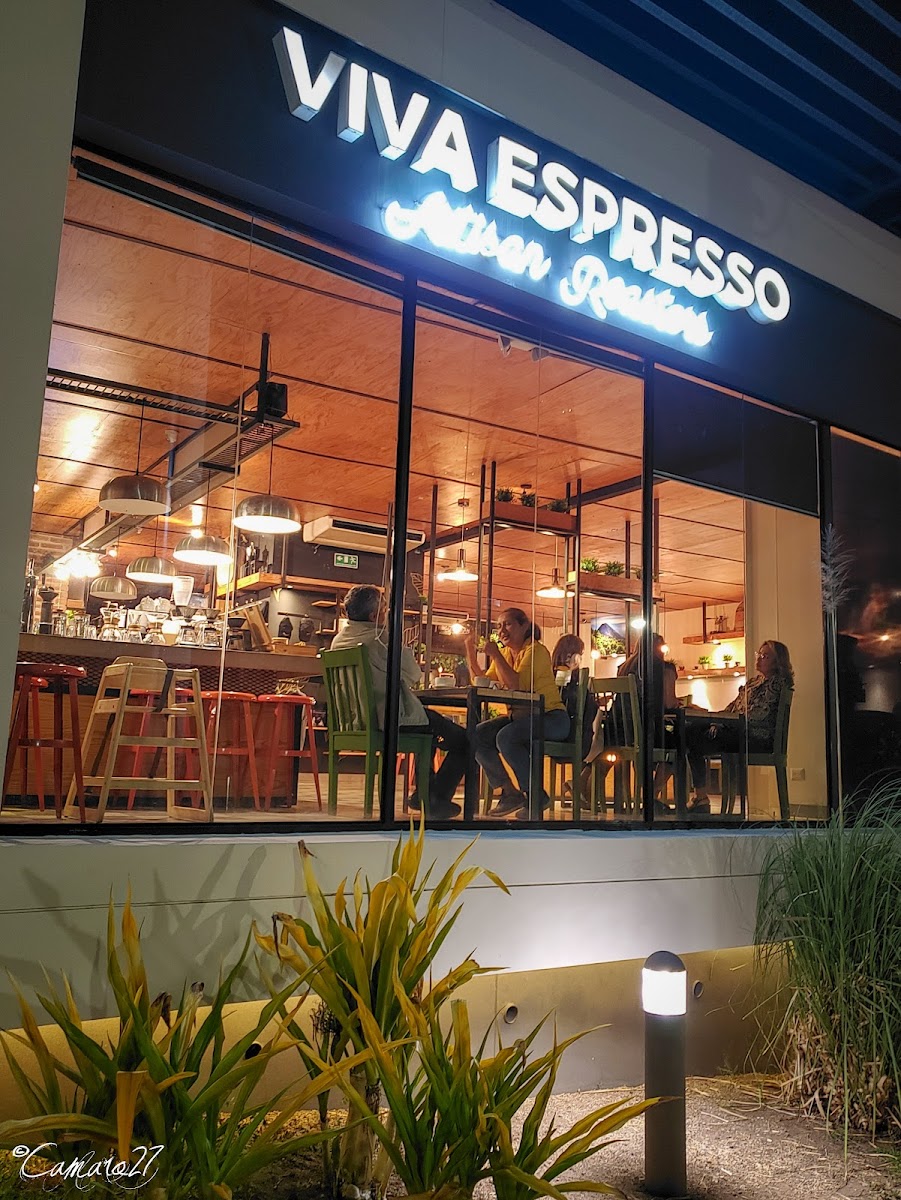
Overview
The first thing that hits you when you walk into Viva Espresso is the smell of freshly ground coffee beans mixing with warm pastries. It’s the kind of place that feels lived-in rather than staged, where locals greet the barista by name and newcomers are welcomed without the awkward pause. Located at Av. La Capilla Local #8, San Salvador, El Salvador, this diner-style café has quietly built a reputation for doing the basics right and then going a little further.
I’ve spent years hopping between neighborhood cafés for work meetings and solo afternoons, and this spot immediately reminded me why smaller coffee houses matter. On one visit, I watched the barista calibrate the grinder between orders, a step many busy places skip. That attention shows up in the cup. The espresso has a balanced profile with low bitterness, which aligns with brewing standards promoted by the Specialty Coffee Association, which recommends water temperatures between 90-96°C and precise extraction times for consistency. You can taste that discipline here without feeling like you’re in a lab.
The menu is concise but thoughtful. Instead of overwhelming you with options, it focuses on coffee classics, light breakfast plates, and comfort-style diner food. Their cappuccino uses a tight microfoam texture rather than airy bubbles, a technique commonly taught in professional barista training programs. Pair it with house-made pastries or a savory sandwich, and it turns into a proper sit-down experience rather than a quick caffeine stop. During one weekday lunch, I ordered a grilled panini and noticed how efficiently the kitchen handled multiple tickets without rushing presentation, something restaurant managers often struggle to balance.
What makes this café stand out in reviews isn’t just the food, though. It’s the consistency. According to consumer dining surveys published by hospitality research groups, repeat customers value reliability more than novelty. This explains why Viva Espresso has become a go-to location for freelancers, students, and nearby office workers. You see the same faces coming back, which is usually the most honest form of feedback.
From a process standpoint, the workflow behind the counter is smooth. Orders are taken, confirmed, and delivered without confusion, and staff members double-check customizations. That kind of system reduces errors and builds trust, especially for regulars who expect their drink a certain way. I once asked about their beans and was told they rotate blends based on seasonal availability, a common practice among quality-focused cafés aiming to maintain flavor stability throughout the year.
The space itself balances casual and functional. Tables are arranged for both short visits and longer stays, and the background music stays at a level that encourages conversation. While I haven’t seen official seating numbers published, the layout follows common diner design principles recommended by restaurant planning guides: clear walkways, visible service areas, and flexible seating. It’s subtle, but it matters.
There are limits worth mentioning. During peak morning hours, wait times can stretch a bit, especially for food items. Also, parking around Av. La Capilla can be tight, depending on the time of day. These aren’t deal-breakers, but they’re realities to keep in mind if you’re on a tight schedule.
Overall, this café delivers an experience rooted in craft rather than trends. The coffee is prepared with care, the menu stays focused, and the service reflects real-world hospitality experience. For anyone browsing restaurant reviews or searching for a reliable diner-style café in San Salvador, Viva Espresso feels less like a discovery and more like a place you’ll end up returning to without thinking twice.
Good to know
Service options
✓ Outdoor seating ✓ Delivery ✓ Drive-through ✓ Takeaway ✓ Dine-inHighlights
✓ Great coffee ✓ Great dessert ✓ Great tea selectionPopular for
✓ Breakfast ✓ Solo dining ✓ Good for working on laptopAccessibility
✓ Wheelchair-accessible car park ✓ Wheelchair-accessible entrance ✓ Wheelchair-accessible seatingOfferings
✓ Coffee ✓ Quick biteDining options
✓ Breakfast ✓ Brunch ✓ Lunch ✓ Dessert ✓ Seating ✓ Table serviceAmenities
✓ ToiletAtmosphere
✓ Casual ✓ Cosy ✓ Quiet ✓ TrendyCrowd
✓ Groups ✓ Tourists ✓ University studentsPayments
✓ Credit cards ✓ Debit cards ✓ NFC mobile payments ✓ Credit cardsChildren
✓ High chairsParking
✓ Free of charge street parking ✓ Free parking lot ✓ ParkingPhotos
1 / 4
Location
Reviews
- No ratings yet 712 reviews
Everything is perfect, arrive early to find parking because parking is very small and limited. Coffee and food is so organic and delicious in words I can not describe.
Great location, great coffee americano, great ambiance. Great staff.
Fun cafe with great window light in a nice part of town. I recommend the affogato. It's ice cream with coffee. Great views of the neighborhood and the street. We got the pistachio cheesecake and it was ok. Great pistachio flavor!
The cold brew coffee was served with a gigantic cube made of coffee, not water. One of the best cups of coffee I've ever had. Sandwich was delicious, service friendly.
I haven't had a chance to drink the coffee that I ordered, but I'm feeling very excited. This place is unlike anywhere else I've been before. The atmosphere is great and the staff is highly attentive. I just know this coffee is going to be the best.